Showing posts with label Narrative. Show all posts

Thursday, December 17, 2015

Coding "Choice"/Story Pt.2 Also Life Update

Quick life update
I'm happy to say that I now know my last semester went better then I felt it was going, not as well as I hoped but much better than it felt like at the time. Also I can officially announce that I have another job, soon as my two weeks goes through i'll be in a *fingers crossed* more manageable double employment position. So that's that.


Coding Divergent Stories Pt.2

So as we discussed last time the gameplay in itself is not only inseparable to the story but in it's range of possible actions effects the themeing beneath the games overall experience, I'd argue that every memorable game experience has an element of this modeled into it's design. Mario is played by avoiding and overcoming obstacles, the theme is overcoming adversity. The Stanley Parable's gameplay is interacting with and against the narrator, the theme is agency against predestination. First person games are played by a single point, a projected you, as interacting manipulating and surviving a projected other, and the themes in first person games are often man against the world or against the horrific unstoppable other. There's alot of interesting stuff that could be said about how the layout of interaction changes the tone of a game for the player, like the modes of interaction put the player in a different mind space, or encourage them to create a different narrative (look at me staying on topic). 

The apparent problem we were left with last time was how divergence allowed by interaction possibly undermines the narrative or theme of the game. And, at first I honestly didn't know how to answer this, but I think this wasn't so much an issue of the medium, but the manner that we think of story that lead us to the specific question. This is one of those problems every English major will encounter when writing essays. While themes and narrative are real things that do exist in stories, they are tangible to the reader and definite within a story, because after the piece of art is sent out in the world it's a finished work. But in another way it isn't, there is an intrinsic final part of art, that being the reception by the reader. Now, I'm not talking about the whole phenomena of a reader having to physical look at the words for the ideas those words mean to "re-create" the story before they can access it. No, what I mean is the themes are a thing that is received by a thinking feeling individual, and because of that what those themes end up meaning exactly is not set. Themes, while definitely inherent by the creators design. On purpose or not, they are in there. (I've written a paper about parental conventions of death and god as represented in Curious George episodes alone.)

What we're saying is that beneath the surface narrative texture, there are themes, ideas about stuff, which the audience will come and interact with to some degree. They might not know it but that episode about the Daleks and Oswin is an exploration of the themes of autonomy, of what constitutes human and self. Oswin figured she was sealed away from the nanobots that convert humans into the robot Dalek, a conversion that is a literal reconstitution of autonomy. The independent thinking human becomes a robot, a creature whose very name originates form slave, and is in it's nature one that follows it's programming, completely devoid of individual autonomy. Also there's a small element of Odysseus ship, the thought experiment of "How many parts do you have to replace on a thing before it becomes a new, different thing? Does it?"; Oswin made a small fantasy world inside her mind that she wasn't being converted into a Dalek by nanobots, but instead was sealed up in a crashed ship and was surviving and burning time before rescue, while her entire body was replaced there was supposedly this small element of will left that retained the part that made the mind of the converted Dalek still Oswin the human. And you can do this will all of media to better understand the anxieties behind the fictions and better understand the draw their audience has to them.

So What Does These Mean For Games?

Themes are not definite, notice the theme in the Odysseus's Ship story is a question, overarching narratives are not complete always complete thoughts. The best kind often aren't, because art that recognizes these big ideas and questions are not definite or answered yet, leave this element of ambiguity in the characters, this is where the story's human element is. Socrates famously said "Know Thyself", but he never meant that to directly mean "understand who you definitely are", he meant "know what you are not, in being definitely sure what you do not know, you can better seek knowledge". Really good stories, almost never explore their themes by directly answering questions, often they explore these questions by presenting what the situation is not. 

Are the Replicates who have differing "empathetic" responses then humans, not sentient? Well, they're not dumb, and what they feel can't be called insincere... Is that what sentience is?
Good questions raise further questions, and so the reader is unconsciously diving further and deeper into the fantasy.

I'd never say that stories always attempt to have an ambiguous ending, or even that only the good ones do, that'd be dumb. What I'm saying is that in every bit of fictions exploration of a theme, just that you can't spell it out for the reader without either being insulting or making the story sound contrived.

Contrived plots are the biggest problem for young writers. Contrived is when the story feels like a certain point is pushed onto the series of events, seemingly because the author wanted it. Why this is so noticeable, is because instead of the girl leaving the scum bag that sexually assaulted her in the dive in theater, instead of her not trusting him after he showed he doesn't understand the word no and manipulated her trust, instead of all that... after he wins the race she dresses up to get him all hot and bothered because that's what he wants and now she wants just what he wants. Because happy endings is how it should be. God I hate Grease. The arch of that film that had the most tension the moment most people remember and relate to as "thee" important part of Grease, is the race. Notice it's never a problem just that the hero wins at the end, it's a problem if this doesn't make any sense with the rest of the story, that's what contrived storytelling is.  

 Insulting is when what was clearly conveyed, or at least could be understood by watching the scene is spelled out, the cop dramas that have each clue and what it could indicate getting described before the scene cuts.. yes that boring part, imagine those shows without the drama of who is sleeping with who or who showed up drunk, or whose terrified of their wife having a child in this rotten city. ect. There is the real meat of the narrative. The lesson is to not go 100% with the story, you decide how much you want your viewer to work to understand your story, but you never go 100%. If you do your fiction becomes a lazy read, the reader is left without the need to think about the character actions or make their own reading of intentions or emotions, and is left utterly distinguished from the fiction. Whatever percentage you make them work to fill out the rest of the story, "Who was right? Rorschach or Ozymandias?" whatever percentage that is is what invests them in your work.Think about what the characters and events are asking of the player while you create, but also recognize that this end result you're giving space for, you don't need to have control of that, you don't even need to have a definite version for yourself.


This is not just about giving space for the reader to work and invest and, well read, into your narrative. But this is about letting go of the idea that you need to control or even know what they are going to add to that space. And knowing this, approaching creating divergent stories changes. It's not so much, "how do I let them explore a story they''ll create and let them feel like they're the ones that created it while still designing a satisfying ending?" and suddenly the question is more, "how do I create tools that let them explore questions to their satisfaction?" The latter, is much easier to discuss. But again, it's late and I have quite a busy work weekend head of me and I think this is enough for one post. Goodnight, and thank you for reading.  


Wednesday, April 17, 2013

Exposition and Micro-Narrative

EXPOSITION AND MICRO-NURRRATIVE
By
Steve Bullin

As mentioned in Games Need Better Storytelling part 2, exposition is the integral part of storytelling that delivers the context needed for meaningful world interactions to the player and.. well dang-it here; Extra Credits did a bit on Exposition already. And I guess this should be here too. Anywho, without exposition done well the player will either tune out of the games story and not know what's happening or are less likely to care about what does happen. I bet there are people out there now saying "We'll I don't really care about story, I just like multiplayer and shooting things.", I'm tempted to tell you to leave right now.. But I know that's just because you've become accustom to terrible stories in games. Everyone has those moments they've just started playing a game and they just can't get themselves to care enough to keep playing. They toss the controller aside and turn of their console(or computer) and say "This is so stupid. Why does the game even have me doing this?". And HAHA, you've just proven my point. Narrative is the justification of actions, without it, we don't feel or understand the drive for anything to happen onscreen. It's like reading a very, very terrible fan fiction or .. story written by an inexperienced author. Things like explosions, and gun scenes, and the hero making out with the girl are there just because. And because the creator simply wanted it -without any internal logic or reasoning behind the events happening- the reader really can't get themselves to enjoy, much less understand, the piece. 

 
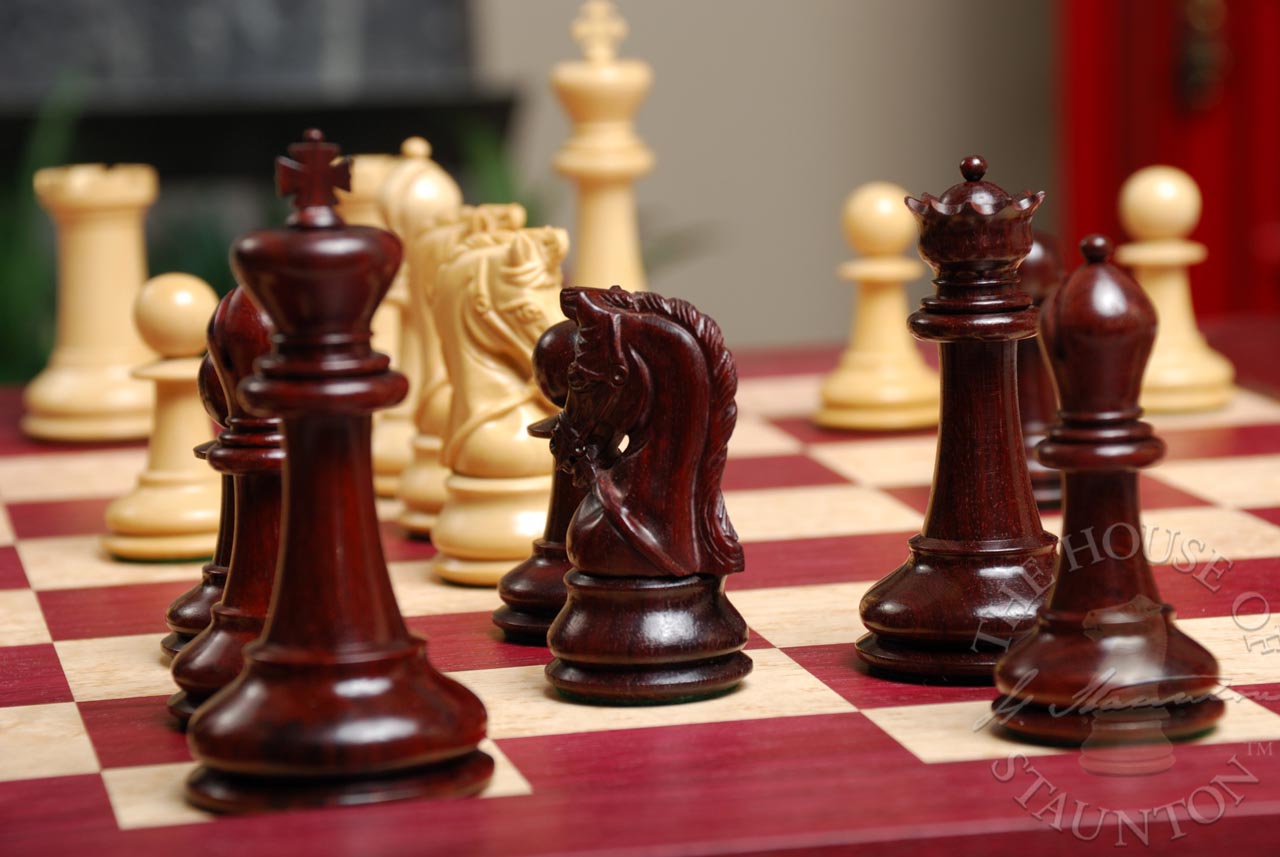
Of course there are games like chess or checkers that some might argue have no narrative, to that I say hogwash. Narrative does not always have to embody the form we regularly associate with "story", it simply has to establish a purpose. You draw O's to make a line or cut off the other player's line of X's and win. You move the pieces on checkers to hop over and eliminate all the opponent's pieces. You move the specific chess pieces in certain ways because they each have different titles and properties, you do this to corner the opponent's king. The frog crosses the road and river to get to the other side. You shoot down the missiles because they're nukes and will blow up whole towns and you'll lose. Now the exposition in these simple cases like chess or checkers would simply be the rules. To win you have to corner the king, to corner the king you have to set up a number of your pieces that will entrap him without being at risk of being removed in the following turn themselves. To do that you have to understand the movement of each piece. And there on would be a description of the movements and rules each separate piece abides by throughout the game. 

The same is true (and better explained) with the narrative of Frogger, getting across the road requires you don't die. Dieing is the narrative behind an event that causes and end game, where crossing the road or river is the narrative behind the player moving up the screen. Surviving and getting across without causing an end game is the narrative behind winning the level. Ergo the exposition behind all of these things is the game's explanation of how the narrative fits behind the mechanic and progression of play. When the player causes this end game it was because they were hit by a car, they drowned, ect. The exposition is accomplished in these early forms by graphics and sound effects, and nothing has changed. The narrative behind why something could be in these life/death situation is a frog on the highway near a river. The narrative behind the mechanic of movement is jumping, the exposition of this is the sound effect and the animation of the pixel frog jumping. Likewise the exposition of the frog entering an end game is the death animation and sound following an event that would cause an end state. The exposition delivers the context needed for meaningful world interactions to the player. Avoiding or chasing the pixels on screen mean something and provide the drive for the game, the exposition explains the narrative and creates the framework for the experience.  

(this guy does a bunch of great game recordings check his channel out here)

I'm certain all of us have had moments where, without that framework, we were unable to appreciate an experience. When we were real young and we couldn't figure out the controls we still loved the movement onscreen, but got upset with the game when it didn't do what we wanted. And remember that moment you first picked up a game and really got the controls? It was as if a whole world was opened up to us onscreen. Because of the impute-response and the exposition-narrative on top of it we acquired an understanding to that impute-response happening onscreen and were really able to immerse ourselves into the world. We could feel this sort of kinetic projection between ourselves and the avatar onscreen. We think jump or shoot in our heads and it translates to actions onscreen, our avatar gets hit off a cliff or we misjudge a jump and cringe when we see them fall to their death. We could project ourselves as the character onscreen. This kind of self projection onto the game avatar makes every in-game interaction more intimate and engaging for the player. Here is where dialog comes in. 

How fun is it watching people lean when making a turn?

In truth dialog is simply and extension of the exact same exposition to narrative as mentioned before, it is simply a different form. Similar to how death sound is similar exposition to death animation, it simply engages the player differently in providing that context. End game death text -along with opening menu and file loading- might be one of the most perfected handling of dialog exposition in game simply because it provides pacing and doesn't interrupt the standard gameflow within the piece. It forces that moment of pause and makes the player wallow in their moment of failure, while also giving them time to calm down, or deescalate from the tension of the situation they were in at the moment of the end game. It's like catching your breath before running into battle, it allows a moment of mental preparation and allows the player to feel their triumphs are more meaningful because they were allowed a moment to pause and reassess the challenge before them. Giving that time for players to analyze the game's challenge and strategist attaches that much more meaning to gameplay and different mechanics as they are introduced over time. 


You know when-


-Alright, alright. Dialog exposition. 

The movement in gaming for the past... probably longer then I've been around. Has been to better convey story, character, plot, narrative, within games and to make those characters and story more real and meaningful to the player. I'll take a shot in the dark and say that's actually been the underlying movement throughout entire history of games. But to speak specifically about video games, the movement has been to expand the narrative and world of games through interaction and plot LIKE NO PLAYER HAS EVER SEEN! We see this through the obsession of dynamic choice, more realistic graphic, more realistic physics, character design, character and world interaction, ect. But the simple fact of the matter is that all these things boil down to a flashy exposition of a, normally less then flashy or interesting, narrative. This is where exposition and narrative in games fail, they provide context for a shallow, dull, or downright overplayed narrative. If that narrative is not something players can really relate or get attached to then the motivation built behind everything in the piece is lost to them. All the novels worth of text, dialog interactions, or whatever interactions onscreen that give us context cannot make us interested in a flat world. Now there are a dozen things that can debunk a narrative and ruin a game, but a good example might be those really poorly made web based games. I'm more talking about the, shoot the watermelon or stomp the cockroach, kind of games then FarmVille. The narrative in those games is weak; not just because they're punch, shoot, crush the thing games. But because that's the entire narrative, do this action, "Win a Prize!"; but we know that's a scam so the only narrative is the action itself. The exposition of some watermelon exploding or some cardboard cutout figure getting hit is the reasoning behind the interaction, flashy exposition with an uninteresting narrative. 

Narrative and exposition are two sides of the same coin, the story and the means of storytelling. As we've seen one does not exist without the other even in games without dialog or much in the way of narrative. The best way to learn balance in my opinion is to study experiences that use the least number of forms of exposition as possible to better acknowledge and understand both the underlying narrative and the exact lengths the forms of exposition go to convey the moments of narrative in a game. In other words we should be look at games that have no dialog (or very little) to better understand the importance of it and the importance of just leaving it out when it's unnecessary. By understanding the depth and level of story and characters that can be conveyed through exposition that's easy to include without the slightest break in the gameflow we can more easily study and come to understand the impact of exposition and narrative on a piece. We can learn from games like Journey, the classics from the arcade era, from studying the silent protagonists within Portal, Half Life, Zelda, and mountains of others that I can't think of right now because it's really late. But we'll talk more about those fun specifics in length later.^^

For now, good night everyone, and thanks for tuning in.